Why some SEPTA Routes Letters
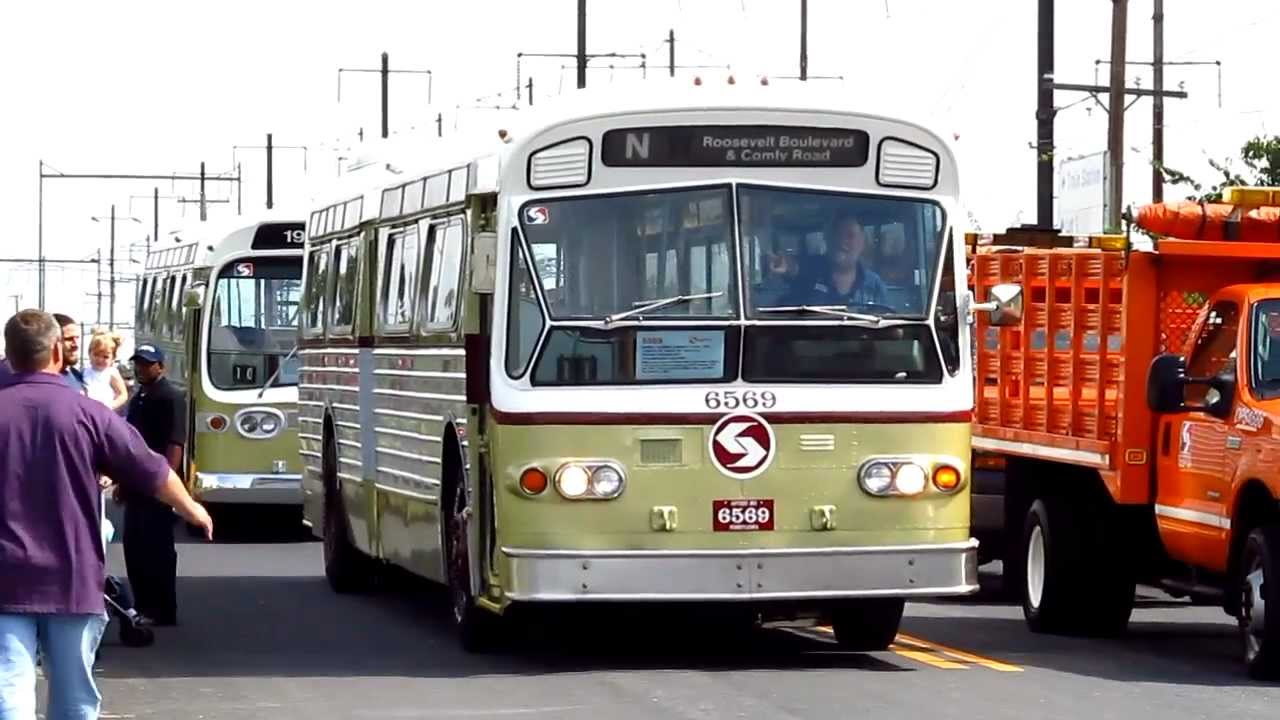

On February 12, 2012, SEPTA eliminated route C in favor of routes 4 and 16. While many people protested this change, saying that the C bus has always been the C, this actually raises the following question: why? Why was the C bus ever route C? Why are there some SEPTA routes that are letters, and some that are numbers? What made SEPTA routes be letters in the first place? This article is here to answer your questions.
In the Beginning…
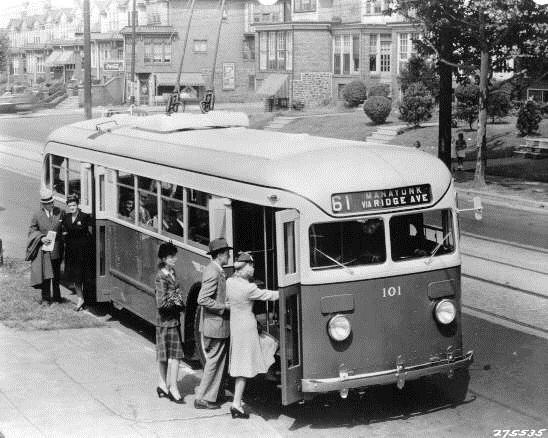
In 1902, when Philadelphia Rapid Transit Company, or PRT, came to exist, all lines were rail lines in some way shaper or form. That means not a single diesel bus operated on the streets of Philadelphia.
And Then The Buses Came…
It wasn’t until the 1920s, where buses began to come into operations, but at first, these buses were all powered by electricity. Around this time, traditional buses started to join the ranks on new routes that operated where a trolley could not (due to being proven by the trackless trolleys, that it’s more convenient to move service without also having to move tracks). These new bus routes would receive letters, to make it clear that these routes would not use electric vehicles.
On Came The Double-Letters
When new bus routes were created, it would have to be carefully considered if it needed it’s own letter or if it was considered a spur. If a new bus route operated as a spur or variant of another route, that route would have a -1 suffix. For example route C had a spur operating via Rising Sun avenue, so that would be named “C-1.”
Over time, so many new bus routes were created, that all letters A through Z ended up being used, so new PRT (and later PTC) routes would begin with the letter X. The X simply meant that it continued from X but was still was its own route, not “express” as people would eventually believe as route XH runs a quicker route than the regular route H, despite ending and starting at the same locations. The latest new letter route would be route XO, that started September 5th 1956.
The PTC Era – Buses Become Numbers

In 1940, Philadelphia Transit Company would begin operating transportation in the city of Philadelphia while taking over operations from PRT as well as a few private operations. One of the first things PTC would do with the new leadership was to replace aging vehicles with new modern vehicles, which included buying new PCC cars. Ironically, shortly after this, most trolley routes were converted to bus routes. This trend became increasingly common, to the point that by 1960, PTC went from operating all routes 2 through 66 as a trolley or trackless trolley routes (although a few of these would be discontinued on their own right), to only having routes 6, 10, 11, 13, 15, 23, 29, 34, 36, 47, 50, 53, 56, 59, 60 and 66 as electric routes, while the remaining lines in that range operated with traditional diesel buses. Starting in 1964, and from this point forward, all new diesel bus routes would receive numbers instead of letters.
The SEPTA Era: Letters replaced by Numbers

By the time SEPTA took over operations of the Philadelphia transit service in 1968, there was already a mix of lettered and numbered bus routes. At this point, most old routes would retain their former designators in the city with a few changes here and there in the early 70s. It wasn’t until the 1980s that SEPTA would begin massively changing route designators. The goal was to have all letter routes as numbers by the 90s, however around 1992 SEPTA was on yet another roll of service change, including the introduction of the Visitor Route Network, and the temporary renaming of the subway lines to colors. This was also the final year that trolley service ran in North Philadelphia on routes 23, 56, and 15 (though route 15 would later be restored). There was one system change in 1993 that would see route 89 absorbing route P, but that would be the final letter route being discontinued and not just swapped out with a number. The letters-to-numbers project was put on the back burner in favor of new technology in the coming years (aka talking buses, and the then-new M4 cars), but in 1995, SEPTA would drop one more letter route in favor of numbers being route X which became route 77. It wouldn’t be until 2012 that SEPTA would again replace a letter route with a number. This is when the C would be split into routes 4 and 16.
In February 2025, the final letter routes finally had clear end dates, as routes G, H, J, L, R, and XH would all recieve numbers. Route K is due to be merged into route 26 as part of the New bus netowrk.
If you read this, congratulations, you have been educated. Below is a list of SEPTA’s letter routes and what numbers they became. This chart also lists the year each letter would last be used.
| Route Name | Route service levels and replacement service | Year Retired |
|---|---|---|
| Boulevard Limited | Operated limited stop service between Academy-Red Lion and Wissahickon-Hunting Park. Became route 1 in 1988. Service to be replaced with Boulevard Direct service in 2027 | 1988 2027 |
| Newtown Shuttle | Replacement bus service for the Newtown Line. Discontinued in 1998, and replaced with route 301 and route 302, which ultimately were merged into routes 24 (302) and 130 (301). | 1998 |
| Route A | Operated between Broad-South to Andorra and Manayunk as both a local and express route. Route A Express became routes 9 and 27, and Route A local became route 32. Both changes came to be in 1985 | 1985 |
| Route B | Operated along northern Roosevelt Boulevard and US Route 1 between Frankford TC and Trenton. Service was eventually cut back to Oxford Valley Mall, and Route B became route 14 in 1985 | 1985 |
| Route C | Operated along Broad Street, with one route operating from Fern Rock TC to South Philadelphia, diverting over to 9th Street North of Erie Avenue and the other route operated between Cheltenham-Ogontz Loop (formerly Ogontz City Line Loop) and City Hall, operating the entire length of North Broad Street. The portion of route C that operated between South Philadelphia and Fern Rock was later renumbered 4 in 2012, and is currently still active as route 4. The portion of route C that operated between City Hall and Cheltenham-Ogontz loop was later renumbered 16 in 2012, and is currently still active as route 16. | 2012 |
| Route D | Operated via Chestnut and Walnut Streets, between Center City and West Philadelphia. Became route 21 on September 13th, 1987. | 1987 |
| Route E | Operated from Broad and Erie to 69th Street Terminal via Wayne Avenue, Manayunk, and City Avenue. Became route 65 on September 13th, 1987. | 1987 |
| Route F | Orignal route F was discontinued in 1971, with no replacement. Operated along 63rd and 62nd Streets. New route F operated via Belmont Hills between Manayunk and Bala and became route 69 which was discontinued in 1990. | 1971 |
| Route G | Operated between South Philadelphia and Overbrook via Oregon Avenue and West Philadelphia. Now route 63. | 2025 |
| Route H | Operated between Broad-Erie and Cheltenham-Ogontz via Lincoln Drive and Mt. Pleasant, serving Cedarbrook Plaza. Now route 71. | 2025 |
| Route J | Operated between Bridesburg and Germantown via Margeret/Orthodox, Logan/Lindley, and Chelten Avenue. Now route 41. | 2025 |
| Route K | Operates between Arrott Transit Center and Ridge-Midvale via 66th Avenue and Chelten Avenue. Is due to be merged into route 26 in the future | 2027? |
| Route L | Operated between Olney Transportation Center and Chestnut Hill via Stenton Avenue, with alternating trips between serving Erdenheim and Plymouth Meeting Mall. Now route 51. | 2025 |
| Route M | Started off as a route that operated from Broad-Snyder via Broad Street to Moyamensing Avenue, then via Moyamensing Avenue, Penrose Avenue, and Tinicum township and Hog Island The Penrose Avenue portion east of Lanier Avenue became route 68 on February 28th, 1988. Which operated a semi-circle route from Lanier Avenue, via Penrose Avenue to Broad-Oregon then to the Philadelphia Airport via Penrose Avenue and I-95. Route 68 would eventually only operate between Broad-Oregon and Island-Enterprise, more closely matching the original route M routing. Service along the Platt Bridge and towards the Airport from route M would eventually become route 303 in 1997, then merged into a revised version of 68 in 1998. | 1984 |
| Route N | Operated between Pratt Street Terminal and Hollywood. Became route 24. | 1988 |
| Route O | Operated between Broad-Windrim and Huntingdon-Fox Chase. Discontinued when Fern Rock Terminal opened, and split up between routes C (now route 4), N (now route 24), Y (now route 70), and route XO (now route 57) | 1960 |
| Route P | Operated from Frankford-Arrott Terminal to Kensington-Allegheny via Castor Avenue, Hunting Park Avenue, and G Street. Merged into route 89. | 1993 |
| Route Q | Service between Richmond-Cumberland and Pier 70 via Delaware Avenue. Became routes 25 and 43. | 1967 |
| Route R | Operated the southern end of Roosevelt Boulevard, between Frankford Transportation Center to Henry-Midvale, with alternating service to Wissahickon Transportation Center. Now route 82. | 2025 |
| Route S | Operated between Cedarbrook Plaza and Fox Chase. Became part of route 18 in 1985 | 1985 |
| Route T | Northeast Philadelphia Crosstown routes. Operating between Torresdale Avenue and Fox Chase. Replaced by routes 28 (Rhawn Street) and 41 (Welsh Road). Route 41 merged into route 88 the next year. | 1982 |
| Route U | Southwest Philadelphia bus service, merged with route 108 | 1993 |
| Route V | Service between Angorra and Parkside. Renumbered to route 49, then merged with route 64 | 1964 |
| Route W | Service in Northeast Philadelphia, operating between Bridge Street Terminal and Red Lion Road, and Grant Avenue. Split into routes 19 and 67 in 1988 | 1988 |
| Route X | Operated between Erdenheim and Cheltenham-Ogontz. Rerouted and renumbered to route 77 on July 3rd 1995 | 1995 |
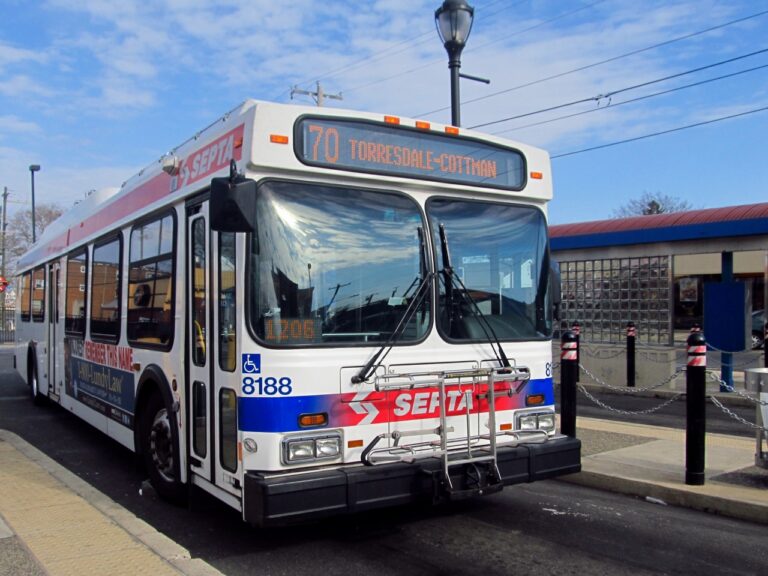
| Route Y | Cottman Avenue crosstown, became route 70 on September 12th, 1988 | 1988 |
| Route Z | Became route 35 | 1967 |
| Route XA | Service between Fox Chase and Fern Rock Transportation Center. Merged into route 28 in 1988 | 1988 |
| Route XB | Operated in Fairmount Park and City Avenue. Merged with route 38 | 1960 |
| Route XH | Operated between Broad-Erie to Cheltenham-Ogontz Loop via Washington Lane. Now route 81. | 2025 |
| Route XO | Operated between Fern Rock Terminal and Melrose Park Gardens. Merged with route 57 in 1982. | 1982 |
Sources:
Wikipedia
Billy Penn